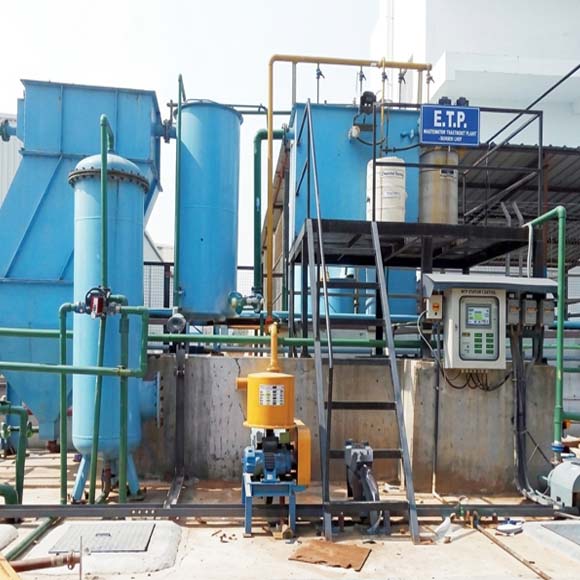
An Effluent Treatment Plant (ETP) is a specialized wastewater treatment system designed to treat and purify industrial effluent before it is discharged into the environment or reused in industrial processes. Industries generate wastewater containing chemicals, oils, heavy metals, suspended solids, organic matter, and other pollutants that can be harmful to ecosystems and public health. An ETP effectively removes these contaminants, ensuring that the treated water meets regulatory and environmental standards.
The treatment process in an Effluent Treatment Plant typically involves multiple stages, including screening, equalization, coagulation, flocculation, primary settling, biological treatment, secondary clarification, filtration, and sludge handling. Depending on the nature of the wastewater, advanced treatment technologies such as activated carbon filtration, ultrafiltration, reverse osmosis, or chemical treatment may also be incorporated. These processes work together to reduce Biological Oxygen Demand (BOD), Chemical Oxygen Demand (COD), Total Suspended Solids (TSS), and other pollutants from the wastewater stream.
Effluent Treatment Plants are essential for industries seeking responsible wastewater management and environmental compliance. They help reduce water pollution, support water recycling initiatives, and minimize the environmental impact of industrial operations. Modern ETP systems are designed for high efficiency, automation, and cost-effective operation, making them a vital component of sustainable industrial infrastructure and resource conservation programs.